
Sports and Dental Safety: Mouthguards Explained
Dec 19, 2025
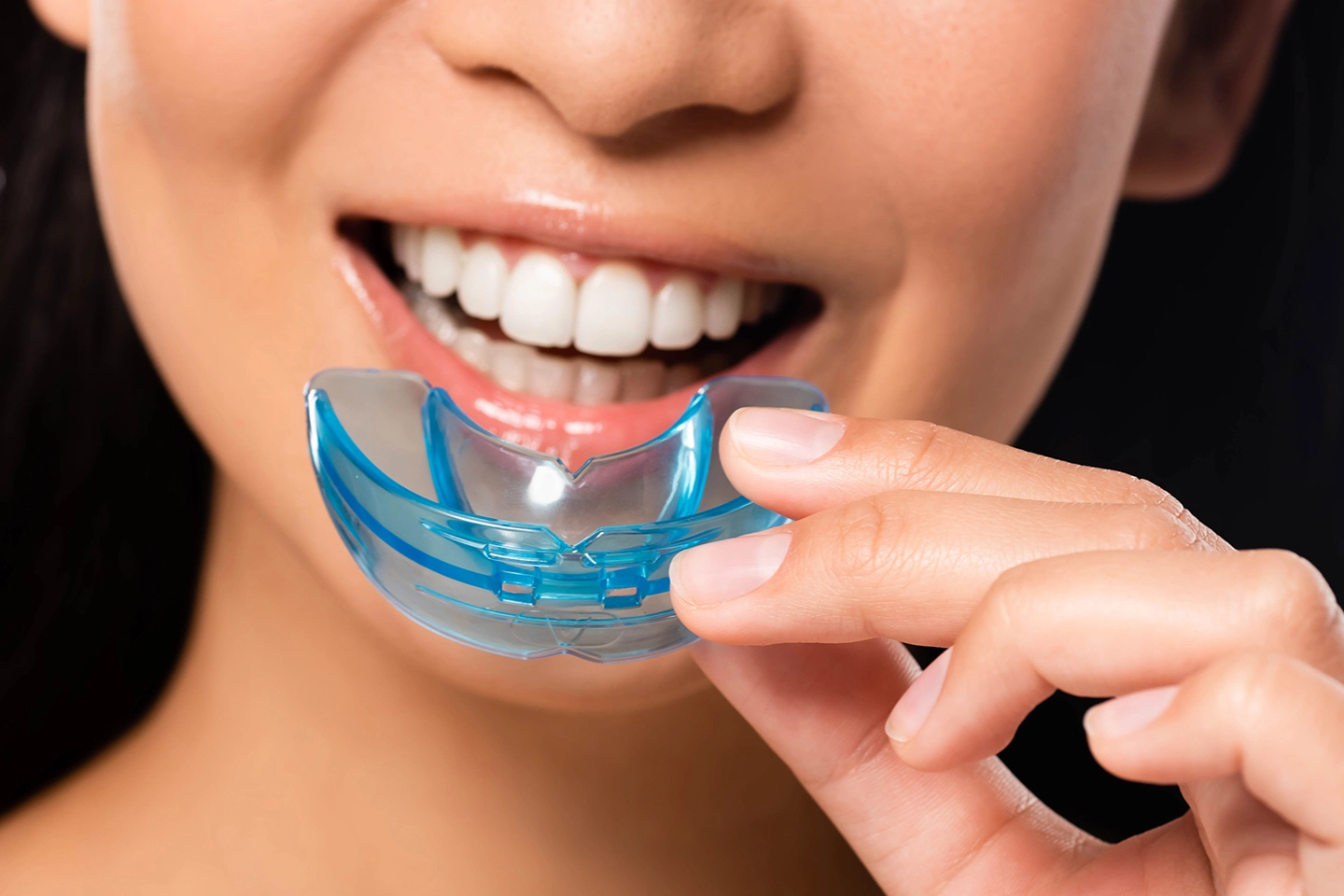
Participating in sports offers incredible benefits: teamwork, fitness, discipline, and fun. Whether your child is scoring goals on the soccer field, hitting home runs on the baseball diamond, or tackling opponents on the football gridiron, the thrill of the game is undeniable. However, with every leap, sprint, and impact, there's a risk of injury, and unfortunately, the mouth and teeth are often vulnerable targets.
Dental injuries are among the most common types of sports-related trauma. A fractured tooth, a knocked-out tooth, or even a lacerated lip can result in significant pain, costly dental procedures, and potentially lifelong oral health complications. The good news? Most of these injuries are entirely preventable with one simple, yet incredibly effective, piece of equipment: a mouthguard.
At Holyoke Family Dental, your trusted dentist in Holyoke, we are passionate about protecting your family's smiles, both on and off the field. Understanding the importance of mouthguards and choosing the right one is crucial for ensuring your athlete's dental safety.
The Silent Threat: Sports-Related Dental Injuries
It's easy to focus on head injuries or broken bones in contact sports, but dental injuries often fly under the radar until they happen. The statistics are sobering:
- Commonality: Up to 39% of all dental injuries are sports-related.
- Cost: A single knocked-out permanent tooth can cost thousands of dollars to treat over a lifetime, including potential dental implants or bridges.
- Impact: Beyond the financial burden, dental trauma can cause pain, speech difficulties, and significant cosmetic concerns.
A custom-fitted mouthguard is the best defense against these statistics. It acts as a protective cushion, absorbing and distributing the impact force, thereby safeguarding teeth, gums, lips, and jaw.
Mouthguards: Your Athlete's Best Dental Defense
A mouthguard is a resilient, custom-fitted appliance worn over the teeth during athletic activities. Its primary function is to protect the oral cavity from impact.
How a Mouthguard Protects
- Cushions Blows: When an impact occurs, the mouthguard absorbs much of the force, preventing teeth from colliding directly or being driven into the jawbone.
- Prevents Soft Tissue Damage: It creates a barrier between the teeth and the soft tissues of the mouth (lips, cheeks, tongue), preventing cuts and lacerations.
- Reduces Jaw Trauma: By cushioning the upper and lower jaws, a mouthguard can help prevent jaw fractures and concussions by distributing the impact force.
- Minimizes Tooth Fracture/Loss: The most direct benefit is preventing fractured, chipped, or knocked-out teeth.
Which Sports Require a Mouthguard?
The American Dental Association (ADA) recommends mouthguards for 29 sports and activities. While contact sports like football, boxing, and hockey immediately come to mind, many non-contact sports also carry significant risk:
- High-Contact Sports: Football, hockey, lacrosse, martial arts, boxing, wrestling.
- Limited-Contact Sports: Basketball, soccer, baseball, softball, volleyball, skateboarding, gymnastics, rollerblading.
- Recreational Activities: Any activity where there is a risk of falling or collision, even playground sports.
If there's a chance of impact to the face or head, a mouthguard is a wise investment. Your dentist in Holyoke can provide specific recommendations for your child's activities.
Types of Mouthguards: Choosing the Right Protection
Not all mouthguards are created equal. The level of protection and comfort varies significantly by type.
1. Stock Mouthguards
- Description: These are pre-formed and ready to wear right out of the package. They come in various sizes but are not customized to fit an individual's mouth.
- Pros: Inexpensive, widely available (sporting goods stores).
- Cons: Bulky, poor fit, offer minimal protection, make breathing and speaking difficult, often fall out. Not recommended by Holyoke Family Dental due to their low protective value.
2. Boil-and-Bite Mouthguards
- Description: Made from thermoplastic material, these are softened in hot water and then placed in the mouth to form around the teeth.
- Pros: More affordable than custom, offers a slightly better fit than stock.
- Cons: Still a generic fit, can be bulky, less durable, and often do not provide adequate cushioning. Fit degrades over time. Many parents use these, but our dentist in Holyoke advises caution.
3. Custom-Fitted Mouthguards
- Description: These are professionally made by your dentist in Holyoke from an impression of your athlete's teeth. They are individually designed for superior fit, comfort, and protection.
- Pros:
- Superior Protection: Optimal cushioning precisely where it's needed.
- Excellent Fit: Stays securely in place without needing to be held by biting, allowing for easy breathing and speaking.
- Maximum Comfort: Thin and lightweight, making it less intrusive.
- Durability: Made from higher-quality materials, they last longer than over-the-counter options.
- Cons: Higher initial cost than stock or boil-and-bite. However, considering the potential cost of a dental injury, this is a wise long-term investment.
At Holyoke Family Dental, we strongly recommend and provide custom-fitted mouthguards for all athletes. They offer peace of mind that no other type can match.
Proper Mouthguard Care and Maintenance
Even the best mouthguard needs proper care to remain effective and hygienic.
Daily Cleaning
- Rinse: After each use, rinse the mouthguard thoroughly with cold water.
- Brush: Gently brush it with a toothbrush and mild soap or non-abrasive toothpaste. Avoid harsh cleaners.
- Dry: Air-dry completely before storing to prevent bacterial growth.
Storage
- Vented Case: Store your mouthguard in a sturdy, vented container to protect it from damage and allow air circulation.
- Avoid Heat: Keep away from direct sunlight and hot temperatures (e.g., in a hot car), as heat can distort its shape.
Regular Checks
- Inspect for Wear: Check for tears, holes, or damage regularly. A worn mouthguard loses its protective qualities.
- Bring to Appointments: Bring your mouthguard to your regular checkups at Holyoke Family Dental. Your dentist in Holyoke can inspect its fit and condition. Athletes should typically replace their mouthguards every season or two, or sooner if damaged.
Frequently Asked Questions (FAQs)
Q1: Is a mouthguard really necessary for non-contact sports like basketball or soccer?
A: Absolutely. While there's no direct "contact," collisions with other players, falls, or impacts from stray balls are common in these sports. A stray elbow in basketball or a misdirected soccer ball can easily cause significant dental trauma. Your dentist in Holyoke will always recommend one.
Q2: Can a custom mouthguard help prevent concussions?
A: While the primary role of a mouthguard is to protect teeth and soft tissues, there is some evidence to suggest that by absorbing impact and stabilizing the jaw, a custom-fitted mouthguard may reduce the risk of concussions. However, it should not be considered a primary device for concussion prevention.
Q3: My child wears braces. Can they still wear a mouthguard?
A: Yes, and it's even more crucial! Braces can cut soft tissues upon impact. A special mouthguard designed for braces is needed. Boil-and-bite mouthguards can sometimes be adapted for braces, but a custom-fitted option from Holyoke Family Dental is always the safest and most comfortable choice.
Q4: How long does a custom mouthguard last?
A: A custom mouthguard typically lasts for one to two sports seasons. However, factors like growth (for children), the intensity of use, and proper care can influence its lifespan. Your dentist in Holyoke can assess if it needs replacing.
Q5: What should I do if my child's tooth gets knocked out during a game?
A: Act immediately!
- Find the tooth: Handle it only by the crown (the chewing part), not the root.
- Rinse gently: If dirty, rinse with milk or water for a few seconds. Do NOT scrub.
- Reinsert: If possible, gently reinsert the tooth into its socket.
- Keep Moist: If reinsertion isn't possible, keep the tooth moist in milk, saliva, or a tooth preservation kit.
- See a dentist IMMEDIATELY: Time is critical for saving a knocked-out tooth. Call Holyoke Family Dental or an emergency dentist in Holyoke right away.
Prioritize Safety: Get Your Custom Mouthguard Today
Don't let preventable dental injuries sideline your athlete or cost your family thousands. A custom-fitted mouthguard from Holyoke Family Dental is the smartest investment you can make in their oral safety and overall well-being. Protect their smile, so they can keep playing and enjoying the sports they love.
Contact Holyoke Family Dental today to schedule an appointment for your custom mouthguard. Ensure your smile is protected by your trusted dentist in Holyoke!
We are committed to providing high-quality dental care personalized to
each patient's needs, using the latest technology and techniques.


OVERVIEW
SERVICES
OFFICE HOURS
Mon - Fri: 9:00am - 5:00pm
Saturday : By Appointment
Sunday : Closed
Privacy Policy | © 2025 Holyoke Family Dental | All Rights Reserved | Website Design by Remedo