
Is It Possible to Brush Too Much?
Nov 24, 2025
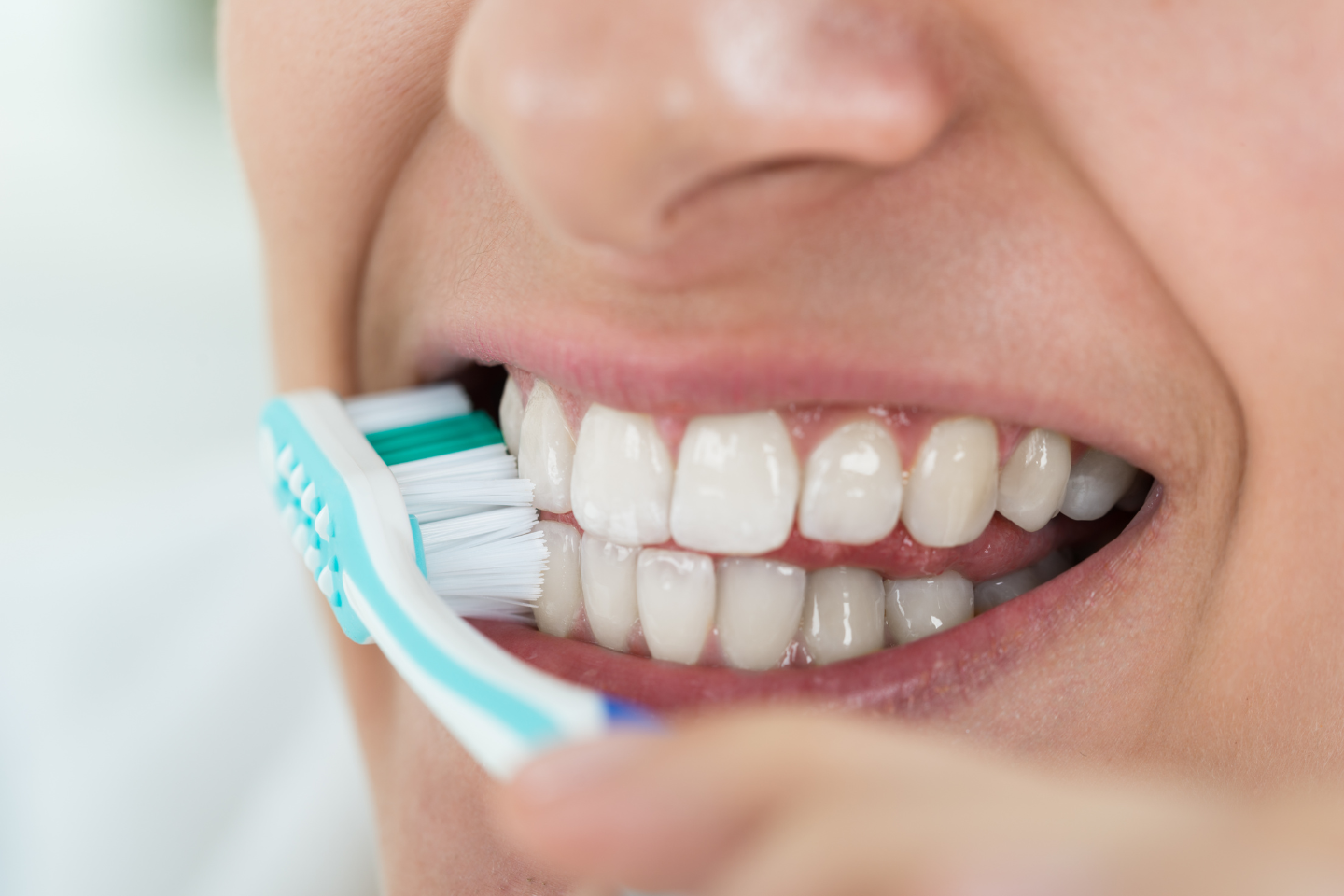
We all know brushing our teeth is essential, but have you ever wondered if it’s possible to go overboard? Most of us grew up hearing “brush twice a day,” but what happens if you brush more than that or brush too aggressively? At Holyoke Family Dental, we often see patients who are dedicated to their smiles but might actually be harming their teeth without realizing it. Today, we’ll explore the fine line between good oral hygiene and over-brushing, how to protect your enamel, and what techniques really work.
How Brushing Can Go Wrong
Brushing too much or too hard can do more harm than good. While the goal is to remove plaque and bacteria, excessive brushing can wear away enamel, irritate gums, and even make teeth more sensitive. Using a hard-bristled toothbrush or vigorous scrubbing can accelerate enamel loss, leading to long-term dental issues.
What is Enamel and Why Does It Matter?
Enamel is the hard, protective outer layer of your teeth. It prevents cavities, protects nerves, and keeps your teeth strong. Once enamel is worn down, your teeth can become sensitive, prone to decay, and may require dental treatments to restore them. Proper brushing and the right tools are key to preserving it.
Signs You Might Be Brushing Too Much
- Bleeding or sore gums
- Tooth sensitivity to hot or cold foods
- Visible enamel wear or thinning
- Receding gum lines
If you notice any of these signs, it’s time to evaluate your brushing technique. At Holyoke Family Dental, our team can help identify and correct habits that may be harming your smile.
Best Practices for Brushing
Choose the Right Toothbrush
Soft-bristled brushes are gentle on enamel and gums while still effectively removing plaque. Electric toothbrushes with pressure sensors are also a great option because they prevent you from brushing too hard.
Use the Proper Technique
Brushing in small circular motions at a 45-degree angle to your gums is far more effective than scrubbing back and forth. Take your time, spend about two minutes brushing, and make sure every surface is covered.
Frequency Matters
While it might seem logical to brush after every snack, doing so too frequently, especially immediately after acidic foods, can weaken enamel. Twice a day is generally ideal, with occasional use of fluoride toothpaste or rinses recommended by your dentist.
Myths About Brushing
- Myth 1: The more I brush, the cleaner my teeth will be.
Truth: Over-brushing can remove enamel and damage gums. Gentle, thorough brushing is better than excessive scrubbing.
- Myth 2: Brushing immediately after every meal is necessary.
Truth: Wait at least 20–30 minutes after eating acidic foods or drinks before brushing. This helps protect enamel from erosion.
- Myth 3: Hard toothbrushes clean better.
Truth: Hard bristles may remove plaque initially, but will damage gums and enamel over time. Soft bristles are safer and just as effective.
FAQs About Brushing
Q1: How do I know if I’m brushing too hard?
If your gums bleed or feel sore after brushing, you might be brushing too aggressively. Our team at Holyoke Family Dental can show you gentle, effective techniques.
Q2: Can over-brushing cause permanent damage?
Yes. Worn enamel cannot be naturally restored. Treatments such as bonding or veneers may be needed if the damage is severe.
Q3: How long should I brush my teeth?
Two minutes is the recommended time. Use a timer or an electric toothbrush with a built-in timer to ensure you cover all areas.
Q4: Is it okay to brush more than twice a day?
Occasionally brushing after meals is fine if done gently, but routine over-brushing can cause harm. Focus on quality, not quantity.
Q5: What toothpaste is best for sensitive teeth?
Fluoride toothpaste designed for sensitivity can protect enamel and reduce discomfort caused by over-brushing or naturally thin enamel.
Alternative Ways to Keep Your Smile Healthy
- Floss daily: Reaches areas your toothbrush cannot.
- Use mouthwash: Helps reduce bacteria and freshen breath.
- Maintain a balanced diet: Crunchy vegetables and low-sugar foods support oral health.
- Regular dental check-ups: Professional cleanings prevent plaque buildup without over-brushing.
At Holyoke Family Dental, we can guide you on a complete oral hygiene routine that keeps your teeth healthy and strong without causing harm.
When to See a Dentist
If you notice sensitivity, receding gums, or visible enamel wear, don’t wait. Early intervention can prevent more serious problems. Our team, led by skilled clinicians, will assess your teeth, demonstrate proper brushing techniques, and recommend treatments if necessary.
Protect your smile and avoid over-brushing. Schedule a consultation with Holyoke Family Dental, your trusted dentist in Holyoke, today. Our team will help you brush safely, maintain strong enamel, and enjoy a healthy, radiant smile.
We are committed to providing high-quality dental care personalized to
each patient's needs, using the latest technology and techniques.


OVERVIEW
SERVICES
OFFICE HOURS
Mon - Fri: 9:00am - 5:00pm
Saturday : By Appointment
Sunday : Closed
Privacy Policy | © 2025 Holyoke Family Dental | All Rights Reserved | Website Design by Remedo