
Is Getting a Dental Implant Painful? What to Expect
Aug 22, 2026
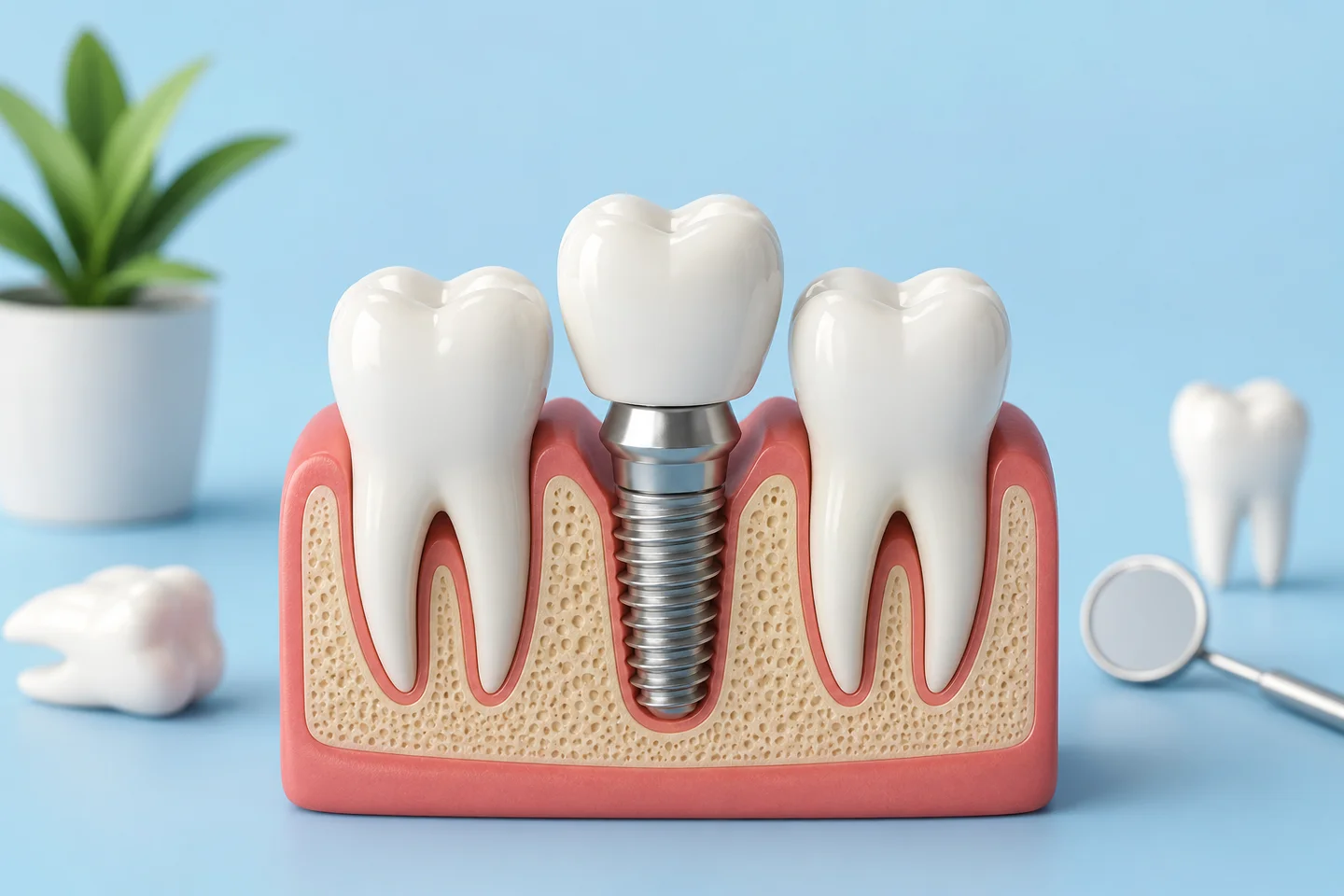
Of all the questions patients ask before scheduling implant surgery, this one comes up more than almost any other. Is getting a dental implant painful? It makes sense that this is top of mind, since the idea of a titanium post being placed into your jawbone sounds intense on paper. The reality tends to be a lot more manageable than most people expect, and once you understand what's actually happening during the procedure and afterward, a lot of that anxiety usually eases up. Let's go through what the experience really feels like, step by step.
Is Getting a Dental Implant Painful During the Procedure Itself?
Here's the part that tends to surprise people the most. During the actual implant placement, local anesthesia numbs the area completely, so most patients report feeling pressure or movement rather than sharp pain. Some practices also offer sedation options for patients who feel particularly anxious, which can make the whole appointment feel like it passed in a blur. So when people ask, is getting a dental implant painful while it's happening, the honest answer for most patients is no, not in the way they were picturing beforehand.
What Does Recovery Actually Feel Like After the Procedure?
Once the numbness wears off, some soreness, swelling, and mild bruising around the surgical site is pretty typical, similar to what you might expect after a tooth extraction. This usually peaks within the first day or two and gradually improves from there. Over-the-counter pain relievers are often enough to manage this discomfort, though your dentist may recommend something stronger for the first day or so depending on the extent of the procedure. Most people find that by the end of the first week, day-to-day discomfort has faded significantly, even though deeper healing around the implant continues in the background for months.
Why Does Discomfort Vary So Much Between Patients?
Not everyone experiences the same level of discomfort, and there are real reasons behind that variation. The number of implants being placed in one visit matters, since more extensive procedures naturally involve more healing afterward. Whether bone grafting was needed beforehand also plays a role, since that adds an additional healing process on top of the implant itself. Individual pain tolerance and how closely someone follows aftercare instructions can shape the experience too. So when someone asks a friend, is getting a dental implant painful, and gets a wildly different answer than what they read online, this variation is usually why.
How Long Does Discomfort Typically Last After an Implant?
Most of the noticeable soreness and swelling settles within about a week, though everyone heals at their own pace. Some patients feel back to normal within just a couple of days, while others take a bit longer, especially if additional procedures like bone grafting were part of the treatment. It is worth noting that mild sensitivity around the area for a few weeks isn't unusual as the site continues healing, even after the more obvious discomfort has faded. If pain seems to be getting worse rather than better after the first few days, that is worth mentioning to your dentist right away.
What Can You Do to Manage Pain After Getting an Implant?
A handful of simple steps tend to make a real difference during recovery. Applying a cold compress to the outside of the cheek during the first day or two can help reduce swelling. Sticking to soft foods for the first several days avoids putting unnecessary pressure on the healing area. Taking pain relief medication as recommended by your dentist, rather than waiting until discomfort feels severe, tends to keep things more manageable overall. Gentle rinsing with warm salt water, once your dentist gives the go-ahead, can also support healing without irritating the surgical site.
Are Some Dental Implant Procedures More Uncomfortable Than Others?
Yes, and this is worth understanding going in. A single implant replacing one tooth tends to involve less discomfort than a procedure replacing several teeth at once. Cases requiring bone grafting beforehand typically involve a bit more recovery time since there are effectively two healing processes happening in the same area. Implants placed in the lower jaw are sometimes associated with slightly more swelling than upper jaw implants, simply due to differences in blood flow and tissue in that area. None of this means any of these procedures are unbearable, just that expectations should be tailored to the specific treatment plan your dentist recommends.
When Should You Contact Your Dentist About Pain After an Implant?
Most discomfort after implant surgery follows a predictable pattern of gradual improvement. If pain seems to be getting sharper or more intense rather than easing up, if swelling continues increasing past the first few days, or if you notice signs like persistent bad taste, fever, or unusual discharge near the implant site, these are all reasons to reach out to your dentist rather than waiting it out. Catching an issue early generally makes it easier to address, and your dental team would much rather hear from you sooner than later if something feels off.
Considering Dental Implants? Reach Out to Holyoke Family Dental
If you have been asking yourself, is getting a dental implant painful, and want honest answers before moving forward, the team at Holyoke Family Dental is happy to walk you through exactly what to expect. Patients exploring dental implants in Holyoke appreciate having a clear, straightforward conversation before committing to treatment. Reach out today to schedule a consultation and get personalized guidance on dental implants in Holyoke.
FAQs About Dental Implant Pain
Q: Is getting a dental implant painful compared to a tooth extraction?
A: Many patients describe the experience as fairly similar to or even less intense than a tooth extraction, largely because local anesthesia keeps the actual procedure comfortable.
Q: How many days of pain relief medication will I need after an implant?
A: Most patients only need over-the-counter pain relief for the first few days, though your dentist may prescribe something stronger initially depending on the complexity of your case.
Q: Does bone grafting before an implant make recovery more painful?
A: It can add some additional soreness since there are two healing sites involved, though this is generally still manageable with standard pain relief and proper aftercare.
Q: Will I be awake during the dental implant procedure?
A: Most implants are placed under local anesthesia with the patient awake, though sedation options are often available for patients who feel anxious about the procedure.
Q: How soon can I go back to work after getting a dental implant?
A: Many patients return to work or normal activities within a day or two, though this can vary depending on the extent of the procedure and your personal comfort level.

We are committed to providing high-quality dental care personalized to
each patient's needs, using the latest technology and techniques.


OVERVIEW
SERVICES
OFFICE HOURS
Mon - Fri: 9:00am - 5:00pm
Saturday : By Appointment
Sunday : Closed
Privacy Policy | © 2025 Holyoke Family Dental | All Rights Reserved | Website Design by Remedo