
How Cavities Are Treated at Different Stages
Feb 02, 2026
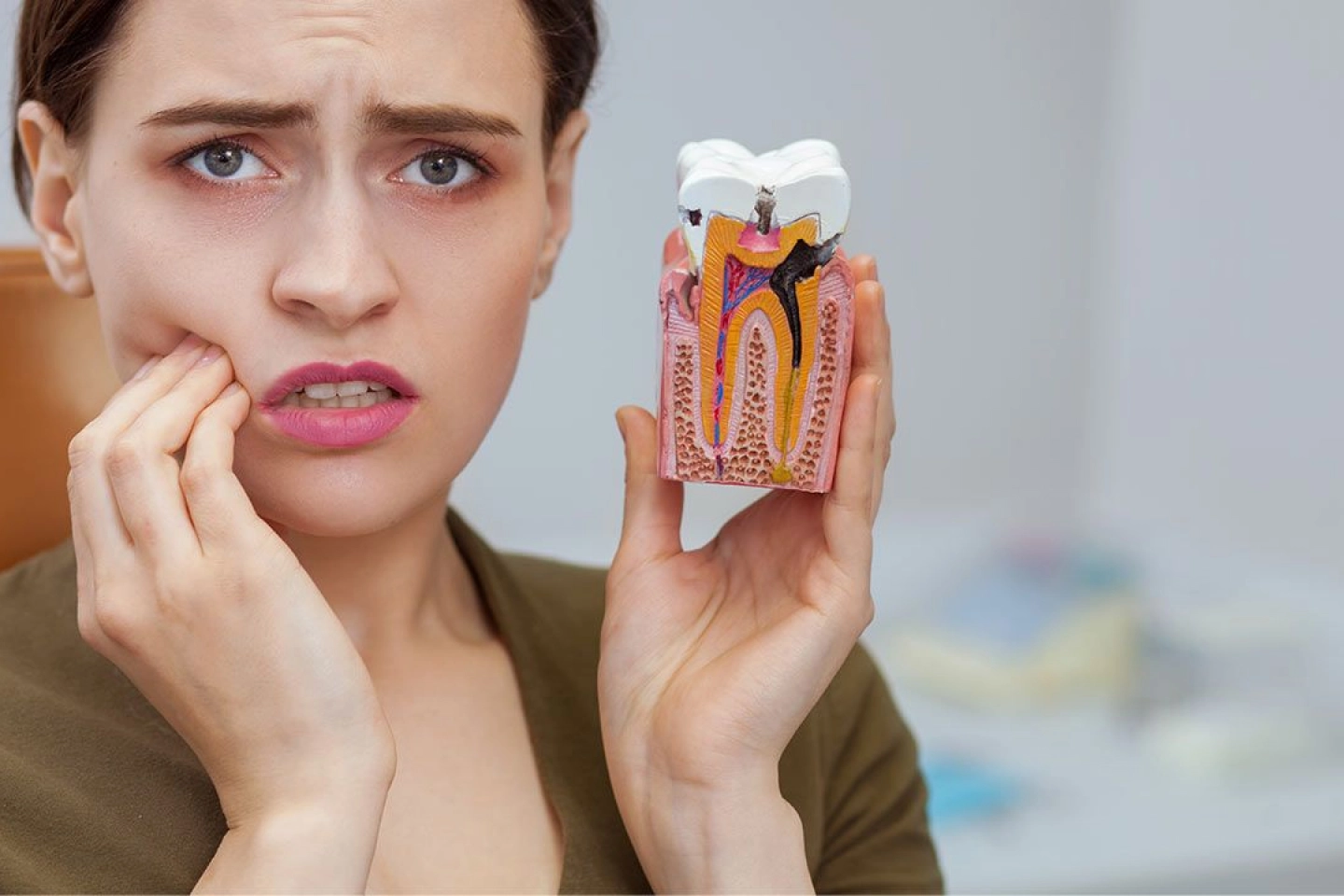
It is a moment most of us want to avoid: sitting in the dental chair and hearing that you have a cavity. However, dental decay is incredibly common, and the good news is that modern technology has made treatment much easier than it used to be. The way we handle a cavity depends almost entirely on when we catch it.
At Holyoke Family Dental, your local dentist in Holyoke, we focus on helping our community understand their oral health. Knowing the stages of decay can help you spot issues early, potentially saving you time and money. Here is a look at the journey of a cavity and how your dentist in Holyoke will help you fix it.
Stage 1: The Beginning of Enamel Erosion
Cavities do not just appear overnight. They start as a process called demineralization. This happens when the acids from plaque start eating away at the minerals in your tooth enamel. At this point, you might see a small white spot on your tooth. This is actually a sign that the enamel is becoming weak.
How we treat it: This is the only stage where a cavity can actually be reversed without a drill. If you visit your dentist in Holyoke during this phase, we might suggest professional fluoride treatments. These help "re-mineralize" the spot, making the enamel hard again. Combining this with better flossing at home can often stop the decay in its tracks.
Stage 2: Decay in the Enamel
If the white spot is ignored, the enamel eventually breaks down completely. This is when a real hole, or "caries," forms. Once the hole is there, your body cannot heal it on its own.
How we treat it: This is the classic "filling" stage. When you visit a dentist in Holyoke for this, we gently remove the decayed part of the tooth. We then fill the space with a durable material. At Holyoke Family Dental, we often use tooth-colored composite resins so your filling looks completely natural and blends in with your smile.
Stage 3: Reaching the Dentin
Underneath your hard enamel is a softer layer called dentin. Once decay hits this level, it starts moving much faster. Dentin is connected to the nerves of your tooth, so this is usually when you start feeling that sharp zing when you drink cold water or eat something sweet.
How we treat it: If the cavity is still relatively small, a filling might work. However, if the decay has spread across a large part of the tooth, your dentist in Holyoke might recommend a crown. A crown acts like a protective "cap" that covers the entire tooth, restoring its strength so it doesn't break while you're eating.
Stage 4: Pulp Damage and Infections
The very center of your tooth is called the pulp. It houses the blood vessels and nerves. If a cavity reaches this area, it usually causes a significant amount of pain. The pulp becomes inflamed and infected, which can be quite uncomfortable.
How we treat it: To save the tooth at this stage, we usually perform a root canal. Many people feel nervous about this, but it is actually a routine way to stop the pain and remove the infection. After the interior is cleaned out, your dentist in Holyoke will seal the tooth and likely place a crown on top to keep it functional for years to come.
Stage 5: Abscess and Deep Infection
If a pulp infection is left alone, it can travel to the very tip of the root and form an abscess. This is a pocket of infection that can cause swelling in your gums or even your face. This is a serious dental emergency that needs immediate attention.
How we treat it: Our first goal is to clear the infection, often with antibiotics or by draining the abscess. From there, we determine if the tooth can be saved with a root canal. If the damage is too severe, the best option might be to remove the tooth to protect the rest of your jaw.
Stage 6: Dealing with Tooth Loss
In the most advanced cases, a tooth may be lost entirely due to decay. This affects how you chew and can cause your other teeth to shift out of place.
How we treat it: If you lose a tooth, we have several ways to restore your smile. Your dentist in Holyoke can discuss options like dental implants, which look and feel like natural teeth, or a dental bridge to fill the gap.
Common Questions About Cavity Care
Q: Will I always know if I have a cavity?
A: Surprisingly, no. Early-stage cavities often have zero symptoms. You might not feel a thing until the decay is quite deep. That is why regular exams at Holyoke Family Dental are so important; we can see what you can't feel.
Q: How long do dental fillings actually last?
A: Most modern fillings last between 7 and 15 years. Their lifespan depends on where they are in your mouth and how well you take care of them. Brushing and flossing are just as important for a filled tooth as they are for a healthy one.
Q: Is a root canal painful?
A: This is a common myth! The root canal actually removes the source of your pain. Most patients find the procedure feels no different than getting a standard filling, thanks to modern numbing techniques used by your dentist in Holyoke.
Q: Can kids get cavities in their baby teeth?
A: Yes, and it is important to treat them. Baby teeth hold the space for permanent teeth. If a baby tooth is lost too early due to decay, it can cause alignment issues later in life.
Take Charge of Your Smile
Prevention is always easier than a cure. If you haven't seen a dentist in a while, or if you've noticed a new spot of sensitivity, we are here to help. At Holyoke Family Dental, we provide gentle, thorough care for the whole family.
Would you like to schedule a cleaning or a check-up? Give us a call or visit us online to book your next visit with a dentist in Holyoke.

We are committed to providing high-quality dental care personalized to
each patient's needs, using the latest technology and techniques.


OVERVIEW
SERVICES
OFFICE HOURS
Mon - Fri: 9:00am - 5:00pm
Saturday : By Appointment
Sunday : Closed
Privacy Policy | © 2025 Holyoke Family Dental | All Rights Reserved | Website Design by Remedo