
Can Dental Implants Replace Multiple Missing Teeth
Sep 14, 2026
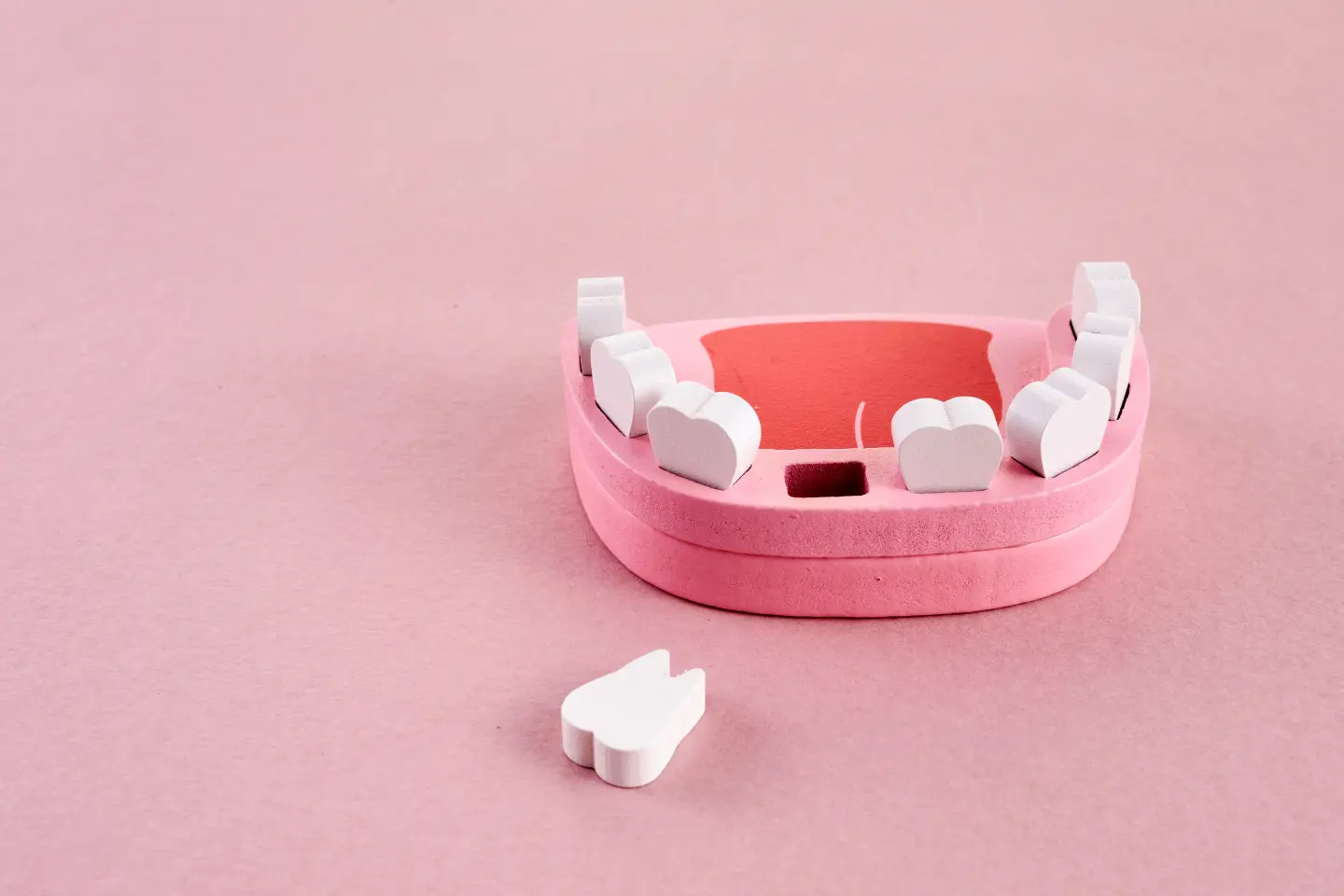
Losing more than one tooth changes daily life in ways that go beyond appearance. Chewing gets harder, speech can shift, and the jawbone underneath the gap can start to lose density over time. If you have been researching options, you have probably landed on the same question a lot of patients bring to our office: can dental implants actually replace several missing teeth at once, or are they only meant for single gaps?
The short version is yes, in many cases implants can be used to replace multiple missing teeth, and there are a few different approaches depending on how many teeth are gone and where they sit in the mouth. At Holyoke Family Dental, we walk patients through each option so the decision feels informed rather than overwhelming. This guide covers how multi-tooth implant solutions work, who tends to be a reasonable candidate, and what the process generally looks like.
How Dental Implants in Holyoke Are Used for More Than One Missing Tooth
A single dental implant is a small titanium post placed into the jawbone that acts as an artificial tooth root. On its own, it supports one crown. But implant dentistry has grown well beyond that single-tooth setup, and dentists now use a handful of strategies to address larger gaps.
For two or three teeth in a row, an implant-supported bridge is a common approach. Instead of placing an implant for every missing tooth, two implants are typically positioned at either end of the gap, and a bridge spans the space between them. This reduces the number of surgical sites while still anchoring the replacement teeth securely.
For patients missing most or all of the teeth in an arch, techniques such as All-on-4 or All-on-6 may be considered. These methods use a limited number of strategically placed implants to support a full arch of prosthetic teeth. The exact number of implants recommended depends on bone quality, jaw anatomy, and the patient's overall oral health, which is why an in-person evaluation matters so much before any plan is finalized.
Patients searching for dental implants in Holyoke often come in assuming they need one implant per missing tooth. That is rarely the case with modern techniques, and it is one of the first things our team clarifies during a consultation.
What Makes Someone a Reasonable Candidate for Multiple Implants
Candidacy depends on several factors, and no two mouths are identical. Generally speaking, a dentist will look at the following before recommending an implant-based solution:
- Bone density and volume in the areas where implants would be placed
- Overall gum health and whether any active gum disease needs to be treated first
- Medical history, since certain conditions or medications can affect healing
- Habits such as smoking, which can influence how implants integrate with bone
- How many teeth are missing and their location in the upper or lower arch
Some patients who have experienced bone loss may still be candidates after a bone grafting procedure, which helps rebuild the area so it can support an implant. This is not guaranteed to work for every situation, and a dentist will assess whether grafting makes sense on a case by case basis.
If you are exploring dental implants in Holyoke and are not sure whether you qualify, that uncertainty is normal. Many patients assume they are not candidates because of bone loss or a past extraction, only to find out during an exam that there are still viable options.
Comparing Implant Bridges and Full Arch Solutions for Multiple Missing Teeth
Choosing between an implant-supported bridge, a partial implant solution, or a full arch restoration usually comes down to how many teeth are missing and their location.
An implant-supported bridge tends to suit patients missing a few consecutive teeth. It is generally less involved than a full arch procedure and can restore chewing function and appearance for that section of the mouth.
A full arch solution, on the other hand, is typically discussed when most or all of the teeth in the upper or lower jaw are missing or need to be removed. These systems are designed to feel more stable than removable dentures for many patients, since the prosthetic is anchored to implants rather than resting on the gums. That said, results and comfort levels can vary from person to person, and a dentist will talk through realistic expectations rather than promising a specific outcome.
Cost, healing time, and the number of dental visits involved also differ between these approaches. Our team at Holyoke Family Dental typically reviews these differences during the consultation so patients can weigh the options against their budget, timeline, and daily needs.
What to Expect During the Multi-Tooth Implant Process
The process generally starts with a comprehensive exam, which often includes imaging such as a CT scan to evaluate bone structure. From there, a treatment plan is developed based on the specific pattern of missing teeth.
Implant placement itself is a surgical procedure performed under local anesthesia, and sedation options may be available for patients who feel anxious about dental work. After placement, the implants need time to fuse with the surrounding bone, a process known as osseointegration. This healing period can take a few months, and timelines vary based on individual healing response.
Once the implants have integrated, the final restoration, whether that is a bridge or a full arch prosthetic, is attached. Follow-up visits are usually recommended to check on healing and make sure the bite feels comfortable.
It is worth noting that outcomes can differ from patient to patient, and no dental professional can promise a specific result before an exam has been completed. What a dentist can offer is a clear explanation of the risks, the expected recovery process, and realistic expectations based on your particular case.
Why Patients Choose Holyoke Family Dental for Multiple Tooth Replacement
Deciding to move forward with implants for multiple missing teeth is a significant decision, and having a dental team that takes time to explain each step tends to make the process feel less stressful. At Holyoke Family Dental, our approach centers on listening to what patients are experiencing day to day, whether that is difficulty chewing, discomfort with a removable denture, or simply wanting a more permanent solution.
We also recognize that cost and timing are real considerations for most families. Part of our role is to lay out the options clearly, including how implant bridges compare to full arch solutions, so patients are not left guessing about what a treatment plan actually involves.
Schedule a Consultation for Dental Implants in Holyoke
If you are missing multiple teeth and want to understand which replacement option might work for your situation, the next step is a consultation. An exam and imaging will give a much clearer picture than general information ever could, since every mouth heals and responds differently.
Reach out to Holyoke Family Dental to schedule a visit and talk through your options for dental implants in Holyoke. Our team is here to answer questions, review your dental history, and help you figure out a path forward that fits your needs.
Frequently Asked Questions
Q: Can dental implants replace several missing teeth at the same time?
A: In many cases, yes. Depending on how many teeth are missing and where they are located, options like implant-supported bridges or full arch solutions may be appropriate. A dentist can determine which approach fits your situation after an exam.
Q: How many implants are usually needed to replace multiple teeth?
A: This varies widely. Sometimes two implants can support a bridge replacing three teeth, while full arch cases may involve four to six implants per arch. The right number depends on bone structure and the treatment plan.
Q: Is bone loss a reason I cannot get dental implants?
A: Not necessarily. Some patients with bone loss can still be candidates after a bone grafting procedure, though this depends on the extent of the loss and overall health. An evaluation is needed to know for sure.
Q: How long does healing take after multiple implants are placed?
A: Healing time varies from patient to patient, but the osseointegration process, where the implant fuses with the jawbone, often takes a few months before the final restoration is attached.
Q: Are implant-supported bridges different from traditional bridges?
A: Yes. A traditional bridge relies on adjacent natural teeth for support, while an implant-supported bridge is anchored by implants placed in the jawbone, which can reduce strain on surrounding teeth.
Q: How do I find out if I am a candidate for dental implants in Holyoke?
A: The most reliable way is to schedule a consultation with a dental team that can review your oral health, take imaging, and discuss your specific goals and any concerns you may have.
We are committed to providing high-quality dental care personalized to
each patient's needs, using the latest technology and techniques.


OVERVIEW
SERVICES
OFFICE HOURS
Mon - Fri: 9:00am - 5:00pm
Saturday : By Appointment
Sunday : Closed
Privacy Policy | © 2025 Holyoke Family Dental | All Rights Reserved | Website Design by Remedo